
Our Story
Honoring our Mexican heritage and celebrating the courage to dream big.
How Corralejos Got Its Name
Corralejos Mexican Grill began with a boy on a dairy farm in Mexico. As a child, Lalo Penilla would chase the cows and shout, “corralejos,” a word meaning “run far away.” Over time, it became his life motto: run far with your dreams and work hard to make them real.
The name Corralejos blends Lalo’s personal story with his cultural roots. Corralejo is both a city and a well-known tequila from the Mexican state where he was born. To Lalo, the name connects his restaurant to both his Mexican heritage and his personal ethos of ambition and bold action.
Corralejos is a family-run restaurant that values community as much as cuisine. The Penilla family stays active in Westminster School, River Valley Church, and local events. Their vision continues to grow through the Corralejos Food Truck, bringing those same bold flavors on the road.
When you dine at Corralejos, we hope you feel like you’re part of our family. We are so proud to be able to share the best of Mexican culture and cuisine with you!
Don’t Miss Our Weekly Specials
The Stories Behind the Dishes We Love
At Corralejos, we’re passionate about the culture behind the food we serve. Many of Mexico’s most iconic dishes have traveled through centuries, regions, and traditions, shaped by indigenous roots, colonial influence, and the creativity of everyday cooks. Here’s a closer look at the history behind some of our favorites.
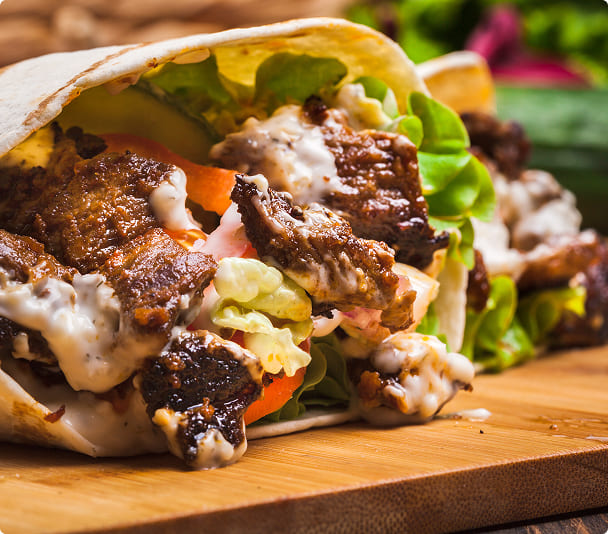
Burritos
The burrito’s roots stretch back thousands of years, beginning with Mesoamerican cultures who used corn tortillas to wrap and carry food as early as 10,000 B.C. By the late 1800s, rolled tortillas filled with meat or other ingredients were documented in Mexican Spanish dictionaries, hinting at the early form of the burrito we recognize today.
The modern burrito likely emerged in northern Mexico, though its exact origin remains debated. Some say Juan Méndez created it during the Mexican Revolution, wrapping food in large flour tortillas and selling them from his donkey. Others point to Sonoran travelers, who carried flour-tortilla meals on long journeys, earning the name burrito (“little donkey”). A third tale claims a vendor in Ciudad Juárez served tortilla-wrapped portions to local schoolchildren he teasingly called burritos.
No matter which legend you believe, burritos began as simple, practical meals with just one or two fillings. After reaching the United States in the mid-1900s, they grew into the oversized, fully loaded versions many know today. From humble origins to global popularity, the burrito remains one of the most versatile and beloved expressions of Mexican cuisine.
Quesadillas
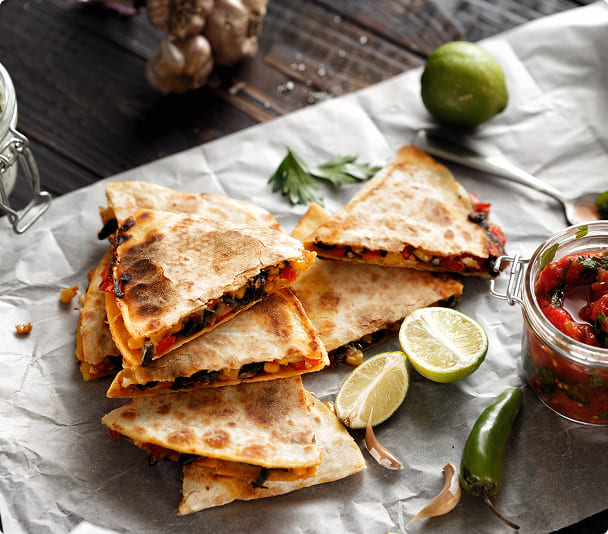
Quesadillas began in colonial Mexico, born from the blending of Indigenous and Spanish food traditions. Long before cheese arrived, Indigenous communities were already cooking corn tortillas as a dietary staple. When the Spanish introduced dairy, the combination of a warm tortilla folded around melted cheese created what we now call the quesadilla. Its name comes from queso, the Spanish word for cheese, and early versions were simple: just a tortilla and cheese, often cooked on a comal for a slightly smoky flavor.
Over time, quesadillas spread across Mexico, especially in regions like Sonora and Sinaloa, and cooks began adding fillings that reflected local agriculture and culture: squash blossoms, huitlacoche, chorizo, beans, vegetables, and, eventually, beef and pork introduced by the Spanish. Both corn and flour tortillas became common, and Oaxaca cheese, similar to mozzarella, became the traditional choice for its perfect melt and stretch.
Today, quesadillas are enjoyed worldwide and have evolved with countless regional twists, from Tex-Mex beef-and-cheese versions to creative international adaptations. But at their core, quesadillas remain what they have been for centuries: a simple, comforting tortilla folded around cheese, celebrating the flavors and ingenuity of Mexican cooking.
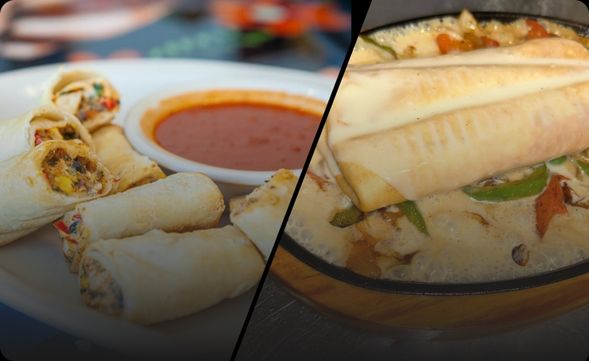
Chimichanga
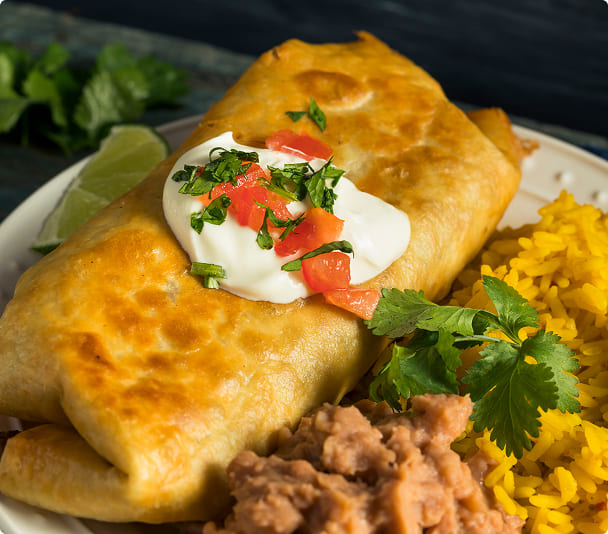
A chimichanga is essentially a deep-fried burrito, and while it’s a beloved staple of Tex-Mex cuisine, its origin story is famously debated. Most versions trace back to Tucson, Arizona, where several restaurants claim to have invented it. The most well-known tale comes from Monica Flin of El Charro Café, who reportedly dropped a burrito into hot oil by accident in the late 1920s or early 1950s. Startled, she began to utter a Spanish curse but quickly softened it to the nonsense word “chimichanga,” which stuck as the name of the dish. Other Tucson restaurants like Macayo’s, Micha’s, and Club 21 tell similar stories of burritos that found their way into the fryer by accident or late-night experimentation.
No matter which kitchen it began in, the chimichanga quickly became a Tex-Mex favorite. Traditionally made with a flour tortilla (often Sonoran-style for the best crisp), chimichangas are filled with seasoned meats, beans, rice, and cheese before being fried to a golden crunch. Some versions are finished with queso, enchilada sauce, or salsa verde, and modern variations now include everything from dessert fillings to inventive fusion twists.
Though not considered an authentic Mexican dish, the chimichanga has become a beloved part of Mexican-American dining: a happy accident that turned a simple burrito into a crispy, crowd-pleasing icon.
Guacamole
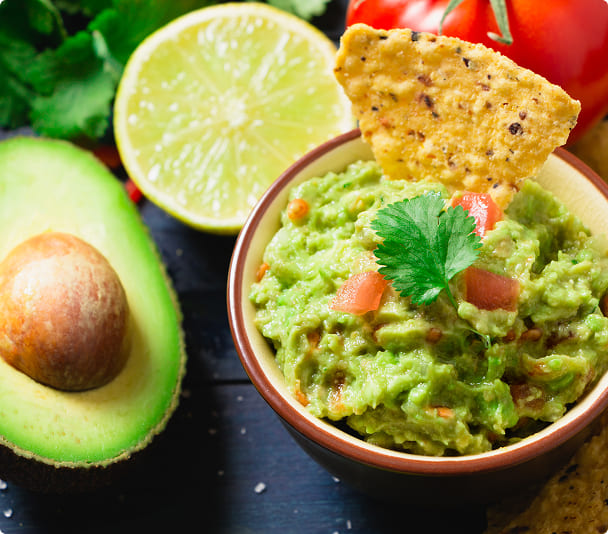
Guacamole dates back to the Aztecs, who prepared a mashed avocado dish called ahuacamolli, a combination of ahuacatl (avocado) and molli (sauce). Using a mortar and pestle, they blended ripe avocados with tomatoes, green chiles, and salt and ate the mixture with warm tortillas. Avocados were a vital crop in Mesoamerica between the 14th and 16th centuries, valued for their nutritional richness and even tied to myth; some legends say the feathered-serpent god Quetzalcoatl passed the recipe to the Toltec people.
When the Spanish arrived in the early 1500s, they quickly adopted and adapted the dish. They introduced ingredients like onions, lime, cilantro, and fried tortilla pieces, shaping ahuacamolli into the version they called guacamole. Over time, styles of guacamole spread across regions of Mexico, with local variations adding touches like sour cream in Zacatecas or orange juice and radishes in central Mexico.
Centuries later, guacamole became globally popular as avocados reached new markets. With the introduction of Hass avocados to the U.S. in the early 1900s and growing international cultivation, guacamole shifted from a regional favorite to a worldwide staple. Today, countless variations exist, but every bowl of guacamole still carries the history of its ancient Mesoamerican origins.
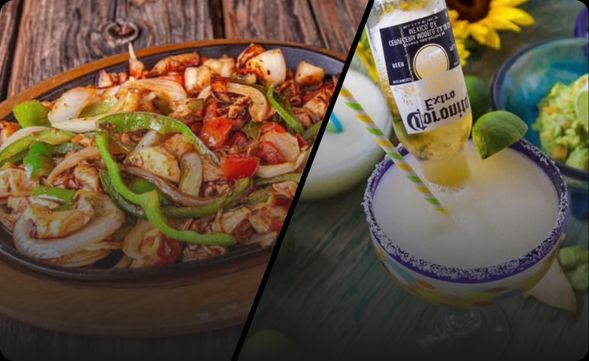
Fajitas
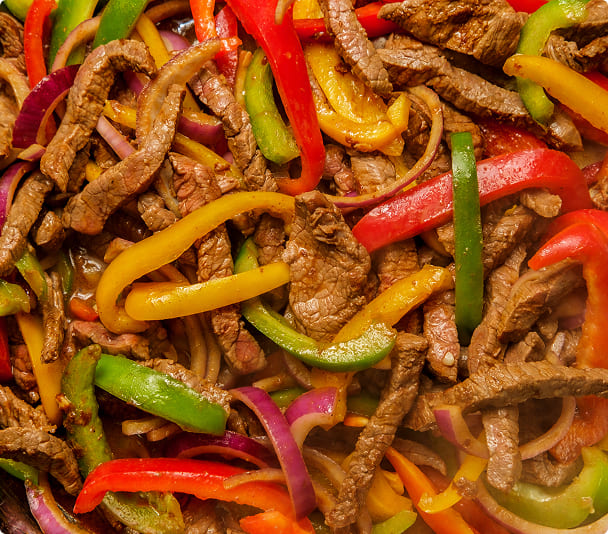
Fajitas trace their history to the ranching culture of West Texas and Northern Mexico, where vaqueros (Mexican cowboys) cooked tougher cuts of beef like skirt steak over an open flame. This long, thin cut of meat, known for its belt-like shape, inspired the name “fajita,” from the Spanish faja meaning “belt” or “strip.” Early preparations resembled tacos al carbón: grilled meat tucked into a warm tortilla, often with onions, peppers, and simple toppings. By the 1930s, this style of cooking had become popular in South Texas, especially at festivals where the sizzle and aroma drew crowds.
As the dish evolved, its modern presentation emerged: slices of grilled meat served on a sizzling skillet with peppers, onions, and warm tortillas on the side. In the Rio Grande Valley, ranch hands often received skirt steak as part of their pay, and cooks embraced it by marinating, grilling, and slicing it thin for tortillas. In the 1960s, a meat-market manager named Sonny Falcon helped fajitas gain widespread attention by selling them at fairs and outdoor events. His take on the dish, simply seasoned and served fresh off the grill, helped turn fajitas from a regional ranch meal into a Tex-Mex favorite.
Today, fajitas appear in countless variations—beef, chicken, pork, shrimp, or vegetables—but the heart of the dish remains the same: grilled strips of meat and peppers, assembled by hand, and rooted in the cross-border cooking traditions of Texas and Northern Mexico.
Nachos
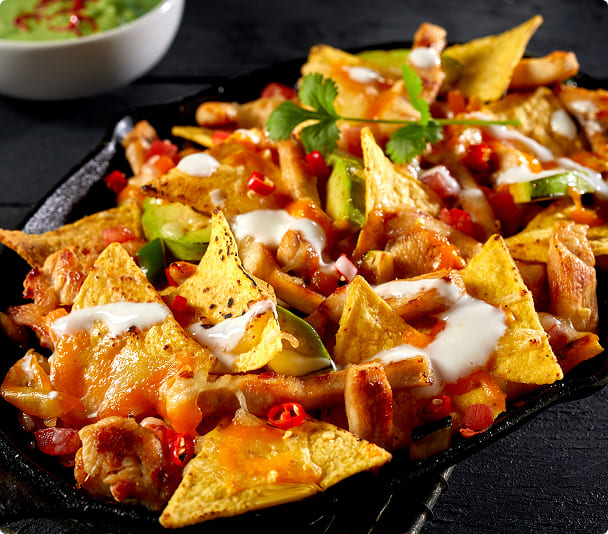
Nachos may feel like a timeless classic, but they’re actually a modern Mexican invention with a very clear origin story. In 1943, in the border town of Piedras Negras, chef Ignacio “Nacho” Anaya created the first plate when a group of U.S. military wives arrived at his restaurant after closing time. With only a few ingredients left in the kitchen, he fried fresh tortilla chips, topped them with shredded cheese and sliced jalapeños, baked them until melted, and served the dish as “Nacho’s Special.” The simple creation was an instant hit, quickly spreading across nearby Eagle Pass, Texas, and eventually throughout the United States as simply “nachos.”
From that humble late-night improvisation, nachos evolved into one of the world’s most customizable snacks. The classic foundation remains the same: crisp tortilla chips, melted cheese, and jalapeños. But toppings have exploded in variety. Today, nachos can be loaded with beans, seasoned meats, pico de gallo, guacamole, vegetables, or queso, and can be adapted into countless styles from Tex-Mex classics to creative regional twists.
Though nachos now appear everywhere from sporting events to restaurants around the globe, every version still honors Ignacio Anaya’s original idea: take simple ingredients, treat hungry guests with kindness, and create something delicious out of what you have.
Corralejos On Wheels
Taking the flavors of Corralejos on the road, our food truck serves up the same delicious Mexican favorites at local events, festivals, and private gatherings. Whether you spot us around town or book us for your event, you’ll enjoy the authentic taste you love, served fresh and fast.
Get in Touch
Have questions, want to book catering, or just craving your favorite Mexican meal? We’d love to hear from you! Whether you’re planning a big event, checking on an order, or simply want to say hello, our team is here to help.